

Frequently Asked Questions
Collapsible content
What are red wigglers and why are they best for vermicomposting?
Red wigglers (Eisenia fetida) are the best composting worms for vermicomposting because:
- Thrive in decomposing organic matter (unlike soil-dwelling earthworms)
- Stay near surface where food scraps accumulate—perfect for worm bins
- Reproduce quickly and tolerate crowded conditions
- Hardy for beginners and experienced vermiculture enthusiasts
- Produce nutrient-rich worm castings packed with beneficial microorganisms
- Superior to European nightcrawlers for contained worm farming
Red wigglers are the gold standard for sustainable gardening and organic soil amendments.
How long does it take to produce worm castings?
Worm castings production timeline:
- Typical timeframe: 3-6 months for finished vermicompost
- Faster results (4-5 months) in ideal conditions (55-77°F)
- Factors affecting speed: bin size, temperature, moisture, feeding frequency
- Ready to harvest when original bedding is no longer visible
- Material looks like dark, crumbly soil when mature
Pro tips for faster organic fertilizer production:
- Maintain consistent moisture and temperature
- Avoid overfeeding your composting worms
- Keep live worms happy for optimal worm farming results
Can I use worm castings on all my plants?
Yes! Worm castings work on virtually all plants. This organic soil amendment is safe and beneficial for:
- Vegetables and herbs
- Flowers, shrubs, and trees
- Houseplants and succulents
- Lawns and ornamental gardens
Why worm castings excel as organic fertilizer:
- Gentle enough you can't over-apply (unlike chemical fertilizers)
- Improves soil structure and water retention
- Provides slow-release nutrients plants love
- Beneficial microorganisms suppress plant diseases
- Nutrient-rich soil boosts growth and plant health
Application methods: Mix into potting soil, use as top dressing, or brew compost tea for maximum eco-friendly gardening benefits.
What's the difference between worm farms and traditional composting?
Vermicomposting vs. traditional composting:
- Vermicomposting: Uses red wigglers and live worms in contained compost bins
- Traditional composting: Uses heat and microorganisms in outdoor piles
Key advantages of worm farming:
- Faster results: 3-6 months vs. 6-12 months
- Superior nutrient-rich soil with more beneficial organisms
- Requires minimal space—perfect for sustainable gardening
- No odor when done properly
- Works year-round indoors
- Produces premium organic soil amendment
When to choose traditional composting: For larger volumes and tougher materials like woody debris.
For home gardeners seeking organic fertilizer and sustainable waste reduction, vermicomposting with composting worms is the clear winner—create your own black gold for eco-friendly gardening!
Can I use worm castings in my vegetable garden?
Absolutely! Worm castings are one of the best organic fertilizers for vegetable gardens. They're rich in nutrients, beneficial microbes, and enzymes that improve soil health and plant growth. Mix castings into your garden soil before planting, use as a top dressing around established plants, or brew worm casting tea for liquid fertilization. Worm castings are safe for all vegetables including tomatoes, peppers, lettuce, and root crops. They won't burn plants and provide slow-release nutrition throughout the growing season.
What's the difference between red wigglers and European nightcrawlers?
Red Wigglers (Eisenia fetida) are smaller, reproduce faster, and are the best choice for indoor vermicomposting. They process food waste quickly and thrive in bins. European Nightcrawlers (Eisenia hortensis) are larger, tolerate cooler temperatures better, and are excellent for both composting and fishing bait. Red Wigglers are ideal for kitchen scrap composting, while European Nightcrawlers work well for outdoor bins or if you want dual-purpose worms for composting and fishing.
Why is my worm farm smelling bad?
A healthy worm farm should smell earthy, not foul. Bad odors indicate anaerobic conditions from overfeeding or excess moisture. To fix this, stop adding food for 1-2 weeks, add dry bedding like shredded newspaper or cardboard to absorb moisture, and gently fluff the bedding to improve airflow. Ensure your bin has proper drainage and ventilation. Remove any rotting food that hasn't been eaten. Once balanced, your worm farm will return to its natural, pleasant earthy smell.
How many worms do I need for my worm bin?
A good rule of thumb is to match the weight of your worms to your daily food waste. If you produce 1 pound of kitchen scraps per day, start with 1 pound of Red Wiggler worms (approximately 1,000 worms). For beginners, we recommend starting with at least 1/2 pound of worms. Worms reproduce quickly and will double their population every 2-3 months under ideal conditions, so your bin will reach optimal capacity naturally.
What do I feed my composting worms?
Composting worms thrive on fruit and vegetable scraps, coffee grounds, tea bags, crushed eggshells, and shredded paper. They love melon rinds, banana peels, lettuce, and apple cores. Avoid feeding them meat, dairy products, oils, citrus in large quantities, onions, and garlic. Chop food scraps into smaller pieces to speed up decomposition. Feed your worms when previous food is mostly consumed, typically once or twice per week for a healthy worm farm.
How do I start vermicomposting as a beginner?
Starting vermicomposting is simple. First, set up your worm bin with moist bedding like shredded newspaper or coconut coir. Add your Red Wiggler worms and let them settle for 24 hours. Then begin feeding small amounts of kitchen scraps like fruit peels, vegetable scraps, and coffee grounds. Avoid meat, dairy, and oily foods. Keep the bedding as moist as a wrung-out sponge and maintain temperatures between 55-77°F. Within weeks, your worms will start producing nutrient-rich castings for your garden.

Need More Worm Products?
See Our Monthly Subscriptions and Save Big Each Month On Your Worm Needs - Up To 20% Off!

Wired Worm Farm
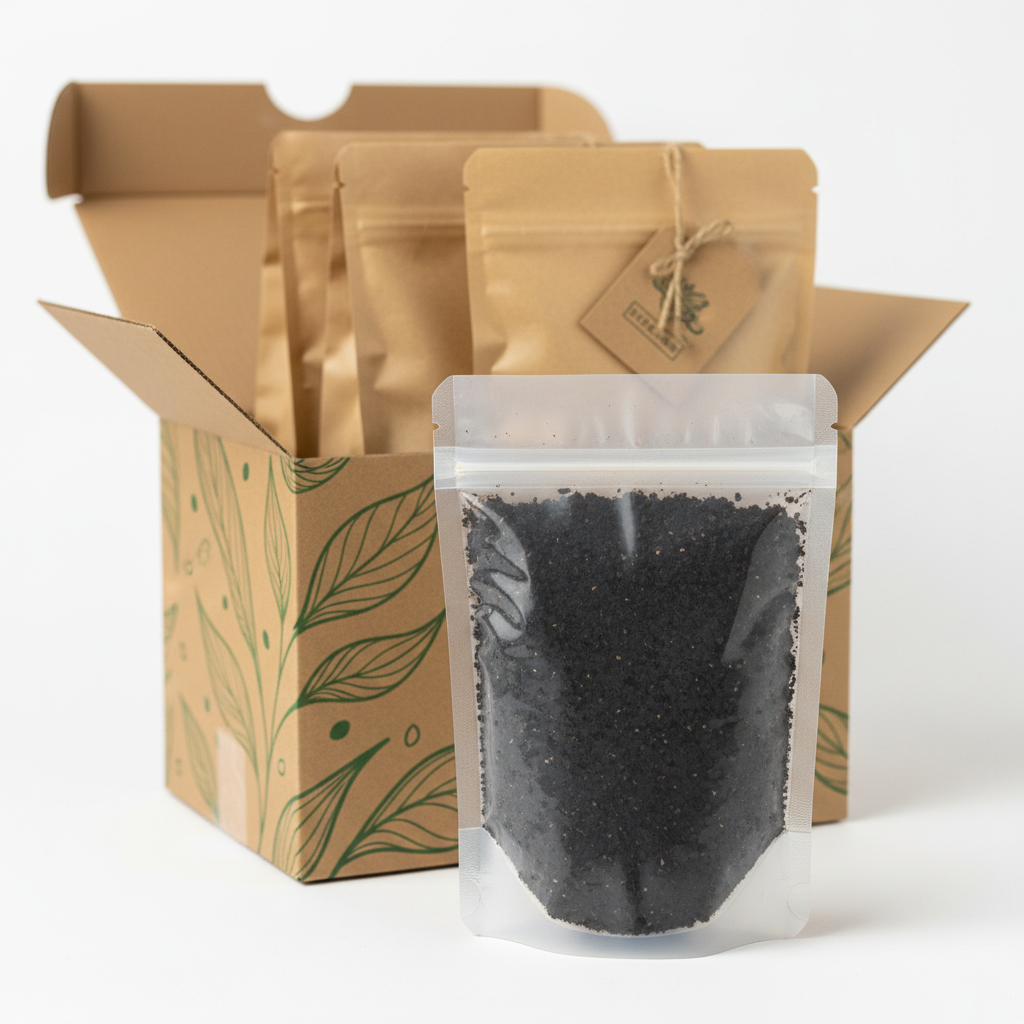
Castings Club — Pure Worm Castings Subscription
Share

Wired Worm Farm
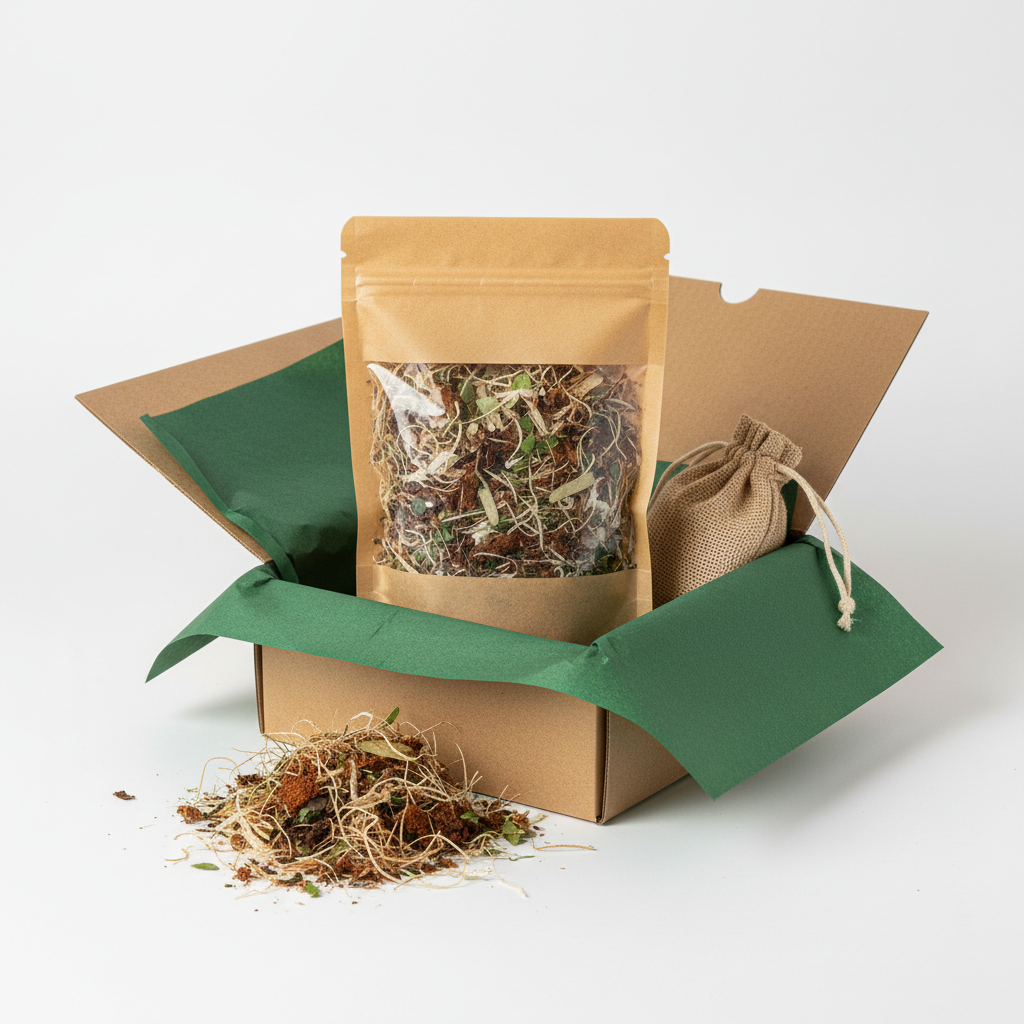
Worm Feed Refill Wired Worm Chow
Share
Shop Our Categories
-

Worm Farm Kits
Complete worm composting kits for every level of vermicomposter. From beginner-friendly starter...
-

Live Worms
Premium live composting worms shipped directly to your door. All orders include...
-

Soil & Castings
Premium worm castings and soil amendments produced by our composting worms. Rich...


Premium Vermicomposting Solutions
Sustainable Worm Farming for Organic Gardening