Wired Worm Farm – Educational Vermicomposting & Worm Composting Experts
Learn sustainable composting through hands-on workshops, expert guidance, and quality vermicomposting supplies. Transform food waste into nutrient-rich soil for healthier gardens.
Wired Worm Farm
The Explorer — Vermicomposting Workshop
Share

Our Commitment to Education-First Vermicomposting
Wired Worm Farm exists to teach, support, and empower home composters. We believe sustainable living starts with education. Whether you join our workshops, read our guides, or start composting at home, we're here to help you succeed!
Building a Community of Sustainable Composters
Vermicomposting helps reduce landfill waste by recycling organic materials into valuable soil amendments. Food waste sent to landfills decomposes anaerobically, producing methane, a potent greenhouse gas. Worm composting instead converts food scraps into nutrient-rich castings while supporting beneficial microbial ecosystems.
The Farm Kit — Large-Scale Household Worm Farm
Wired Worm Farm
Share

Hands-On Vermicomposting Workshops & Educational Classes
Learn vermicomposting from the experts. Hands-on workshops with take-home kits, live worms, and ongoing support. Book your spot today.
-
The Explorer — Vermicomposting Workshop
Regular price $25.00 USDRegular priceSale price $25.00 USD -
The Seedling — Vermicomposting Workshop + Bin & Worms
Regular price $34.94 USDRegular price$59.99 USDSale price $34.94 USDSale -
Group Discount Workshop Class
Regular price From $12.00 USDRegular priceSale price From $12.00 USD -
The Cultivator — Vermicomposting Workshop + Starter Kit
Regular price $44.94 USDRegular price$79.99 USDSale price $44.94 USDSale
Red Wigglers vs European Nightcrawlers: Which Composting Worms Are Right for You?
Choosing between Red Wigglers (Eisenia fetida) and European Nightcrawlers (Eisenia hortensis) depends on your composting goals and climate. Red Wigglers are the most common composting worm because they tolerate a wide temperature range of 40–95°F and reproduce quickly. They thrive in shallow bins and process food scraps rapidly. European Nightcrawlers, on the other hand, grow larger and prefer temperatures between 50–80°F. They burrow deeper into bedding and are often used for fishing bait as well as composting. While Red Wigglers reproduce faster, European Nightcrawlers are better suited for outdoor compost systems where deeper bedding and cooler temperatures are common.
FAQ
• Which worms reproduce faster?
Red Wigglers reproduce faster than European Nightcrawlers.
• Which worms grow larger?
European Nightcrawlers grow significantly larger.
• Which worms are best for beginners?
Red Wigglers are generally the easiest to start with.
Red Wigglers vs European Nightcrawlers
-
Red Wigglers
Shop Red WigglersRed Wigglers (Eisenia fetida)
- Smaller worms, ~2–4 inches long, reddish-brown with banded coloring
- Commonly used in vermicomposting due to rapid reproduction and high processing speed
🌡️ Temperature Tolerance
- Optimal activity: ~60–77 °F (15–25 °C)
- Functional range: ~55–75 °F (13–24 °C)
- Can survive brief exposure from ~40–85 °F (4–29 °C) but slow outside optimal range
🧬 Reproduction & Population Growth
- Reach sexual maturity in ~60–90 days under good conditions
- Produce ~2–3 cocoons/week per worm; each cocoon may contain ~2–20 baby worms (avg ~4–6)
- Population can double in ~60–90 days in optimal conditions
🍽️ Feeding & Processing
- Aggressive surface feeders — will eat food scraps quickly
- Can consume ~their body weight in organic matter daily under good conditions
🪴 Ideal System & Use
- Ideal for home vermicompost bins, shallow setups, and beginner composters
- Great if you want fast breakdown of kitchen scraps and quick system population growth
-
European Nightcrawlers
Shop European NightcrawlersEuropean Nightcrawlers (Eisenia hortensis)
- Larger worms, ~4–6 inches long, thicker body
- Also used in composting and popular as fishing bait
🌡️ Temperature Tolerance
- Optimal ~60–70 °F (15–21 °C), slightly cooler preference than red wigglers
- Functional tolerance ~45–80 °F (7–27 °C)
- More tolerant of cooler temperatures than red wigglers, useful for outdoor or unheated setups
🧬 Reproduction & Population Growth
- Mature slower, ~90–120 days before breeding
- Produce fewer cocoons (~1–2/week) with ~1–5 babies each
- Population doubles more slowly (~120–180 days)
🍽️ Feeding & Processing
- Slower processing than red wigglers but can handle larger and more fibrous material
- Tend to burrow and aerate deeper bedding layers
🪴 Ideal System & Use
- Better for larger, deeper bins or systems in cooler climates
- Larger individual processing power but slower overall population expansion
Why Live Worms Are the Best Fishing Bait
Live worms provide several advantages over artificial fishing lures. Their natural scent and movement attract fish even in poor visibility conditions. Worms are also easy to rig on hooks, making them beginner-friendly bait for anglers of all skill levels.
Why Choose Vermicomposting for Your Home?
-
Reduce Food Waste
Vermicomposting helps reduce landfill waste by recycling organic materials into valuable soil amendments. Food waste sent to landfills decomposes anaerobically, producing methane, a potent greenhouse gas. Worm composting instead converts food scraps into nutrient-rich castings while supporting beneficial microbial ecosystems.
-
Improve Soil Health
Vermicompost improves soil health by increasing organic matter and beneficial microbial populations. The humic substances in worm castings help bind soil particles together, improving structure and aeration. This allows plant roots to access oxygen and nutrients more efficiently.
-
Sustainable Living
Worm castings, also known as vermicompost, are one of the most biologically active soil amendments available. During digestion, composting worms inoculate organic matter with beneficial microbes and enzymes that stabilize nutrients in plant-available forms. Studies show worm castings contain higher microbial diversity than traditional compost, along with essential nutrients like nitrogen, phosphorus, potassium, and trace minerals.
Vermicomposting Education & Composting Resources
View all-
Red Wigglers or Nightcrawlers: Which Is Better ...
Red Wigglers or Nightcrawlers — which worm is better for vermicomposting? Compare composting ability, reproduction, castings, and more. Expert guide from Wired Worm Farm.
Red Wigglers or Nightcrawlers: Which Is Better ...
Red Wigglers or Nightcrawlers — which worm is better for vermicomposting? Compare composting ability, reproduction, castings, and more. Expert guide from Wired Worm Farm.
-
Best Worms for Composting: Red Wigglers vs Indi...
Compare the best worms for composting — Red Wigglers, Indian Blue Worms, and European Nightcrawlers. Find out which composting worm species is right for your bin. Shop at Wired Worm...
Best Worms for Composting: Red Wigglers vs Indi...
Compare the best worms for composting — Red Wigglers, Indian Blue Worms, and European Nightcrawlers. Find out which composting worm species is right for your bin. Shop at Wired Worm...
-
How to Choose the Best Worms for Your Compost Bin
Confused about which worms are best for your vermicompost bin? Compare Red Wigglers and European Nightcrawlers — pros, cons, and which one is right for you. Shop at Wired Worm...
How to Choose the Best Worms for Your Compost Bin
Confused about which worms are best for your vermicompost bin? Compare Red Wigglers and European Nightcrawlers — pros, cons, and which one is right for you. Shop at Wired Worm...
Join Our Vermicomposting Community
Get composting tips, workshop announcements, and sustainable living resources delivered to your inbox
Complete Vermicomposting & Vermiculture Starter Kits – Everything You Need to Begin
Complete worm composting kits for every level of vermicomposter. From beginner-friendly starter kits to advanced systems, find everything you need to turn food scraps into nutrient-rich worm castings.
-
The Farm Kit with Nightcrawlers — Large-Scale Worm Farm
Regular price $94.44 USDRegular price$139.99 USDSale price $94.44 USDSale -
The Homestead Kit with Nightcrawlers — Mid-Size Worm Farm
Regular price $84.44 USDRegular price$119.99 USDSale price $84.44 USDSale -
The Sprout Kit with Nightcrawlers — Beginner Worm Farm
Regular price $59.99 USDRegular price$89.99 USDSale price $59.99 USDSale -
The Farm Kit — Large-Scale Household Worm Farm
Regular price $94.44 USDRegular price$139.99 USDSale price $94.44 USDSale
Premium Worm Castings & Organic Soil Amendments
Premium worm castings and soil amendments produced by our composting worms. Rich in nutrients, beneficial microbes, and perfect for organic gardening.
-
Seed Starter Mix — Castings + Peat Moss Blend
Regular price $34.94 USDRegular priceSale price $34.94 USD -
Mulch & Castings Top Dress
Regular price $8.94 USDRegular priceSale price $8.94 USD -
Raised Bed Blend — Castings + Peat Moss + Garden Soil
Regular price From $34.94 USDRegular priceSale price From $34.94 USD -
Garden Boost Mix — Castings + Garden Soil Blend
Regular price From $24.94 USDRegular priceSale price From $24.94 USD
Why Our Worm Bins Work for Beginners
-
Easy to Start
All You Need To Start A Worm BinVermicomposting requires minimal setup and no special skills. Simply add your Red Wiggler worms to bedding, feed them kitchen scraps, and let nature do the work.
Vermicomposting is one of the easiest ways to recycle food scraps and reduce household waste. A small worm bin can process vegetable scraps and coffee grounds while producing valuable organic fertilizer. Because compost worms rely on microbes rather than high heat, vermicomposting works well in apartments, garages, and kitchens. -
Works Anywhere
Live Red Wiggler Worms For SaleWhether you live in an apartment, suburban home, or rural property, worm composting fits your lifestyle. Compact worm bins work indoors or outdoors, require minimal space, and produce no odor when maintained properly. Turn your kitchen waste into black gold fertilizer right where you live.
When properly managed, worm bins produce little to no odor and require minimal maintenance. The key to success is maintaining moisture, bedding, and balanced feeding schedules. -
Sustainable & Rewarding
Make An Impact With VermicompostingJoin thousands of eco-conscious gardeners who compost with worms. Reduce landfill waste by up to 30%, create premium organic fertilizer for your plants, and teach your family about sustainable living. Vermicomposting delivers environmental impact and gardening results that beginners can see in weeks, not months.
Even a small colony of worms can divert significant organic waste from landfills while improving soil health.
Meet Your Composting Workers: Red Wigglers & European Nightcrawlers
Premium live composting worms shipped directly to your door. All orders include our Live Arrival Guarantee and ship Monday through Wednesday in insulated packaging with moist bedding.
-
Composting Worm Mix — Red Wigglers + European Nightcrawlers
Regular price From $12.99 USDRegular price$29.99 USDSale price From $12.99 USDSale -
Red Wigglers — Live Composting Worms
Regular price From $12.99 USDRegular price$29.99 USDSale price From $12.99 USDSale -
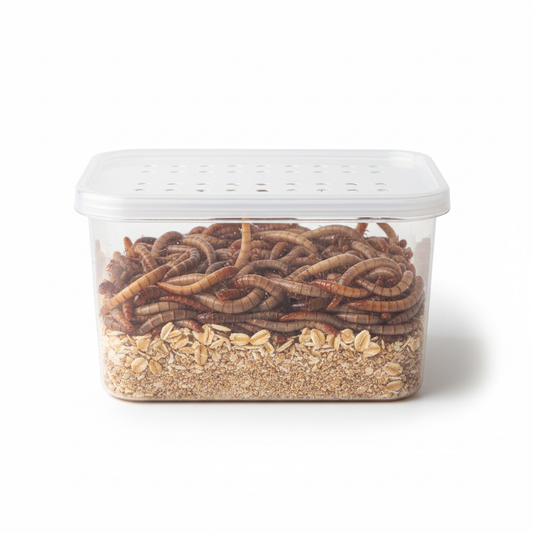
SaleLive Super Worms
Regular price From $9.44 USDRegular price$12.99 USDSale price From $9.44 USDSale -
European Nightcrawlers — Fishing Bait
Regular price From $5.49 USDRegular priceSale price From $5.49 USD
What Is Vermicomposting? Your Guide to Worm Composting
Vermicomposting is the process of using composting worms—primarily Red Wigglers and European Nightcrawlers—to break down organic kitchen waste into nutrient-dense worm castings. This sustainable composting method reduces landfill waste, improves soil health, and creates the perfect natural fertilizer for gardens. Whether you're a beginner or experienced gardener, vermicomposting is an accessible, eco-friendly way to support sustainable living and regenerative agriculture.
• Why do farmers use worm castings?
They improve soil fertility naturally.
• Does vermicompost reduce fertilizer use?
Yes, it can reduce synthetic inputs.
• Is vermicomposting sustainable?
Yes, it supports regenerative agriculture.
Vermicomposting vs Traditional Composting
-
Indoor Capabilities
Traditional composting relies primarily on thermophilic bacteria that break down organic material through high-temperature decomposition. Compost piles can reach temperatures between 130–160°F
Vermicomposting, on the other hand, uses composting worms such as Red Wigglers (Eisenia fetida) to process organic material at moderate temperatures between 55–77°F. Instead of relying on heat, the system depends on a symbiotic relationship between worms and microbes that digest organic waste and convert it into vermicompost, also known as worm castings.
-
"Black Gold"
castings contain humic acids, plant growth hormones, beneficial bacteria, and stabilized nutrients that plants can absorb more easily. Studies have shown that vermicompost can contain significantly higher microbial diversity than traditional compost. This increased biological activity is one reason vermicompost is often referred to as “black gold” by gardeners.
Unlike traditional compost piles, vermicomposting systems require moist bedding, moderate temperatures, and a steady food supply rather than heat buildup.
-
Composting Efficiency
Both vermicomposting and traditional composting can process organic waste efficiently, but their speed depends on system size and management. In small household systems, composting worms often process food scraps faster than traditional compost piles because they continuously consume organic material.
A healthy worm colony can consume about half its body weight in food waste per day, gradually converting scraps into vermicompost within 60–90 days. Traditional composting systems may take 3–6 months or longer depending on pile size, temperature, and turning frequency.
Hands-On Vermicomposting Workshops
Join our beginner-friendly workshops to learn the fundamentals of worm composting, build your own worm bin, and discover how to turn food scraps into nutrient-rich soil. Perfect for home gardeners, families, and anyone interested in sustainable living and waste reduction.
Everything You Need for Successful Vermicomposting
Explore our carefully curated selection of composting worms for sale, worm bins, and nutrient-rich worm castings. Each product is chosen to help you succeed in your vermicomposting journey.
-
Bin Maintenance Box — The Best Bedding For Your Worm Bin
Regular price From $9.94 USDRegular priceSale price From $9.94 USD -
Castings Club — Pure Worm Castings Subscription
Regular price From $16.94 USDRegular priceSale price From $16.94 USD -
Composting Worm Mix — Red Wigglers + European Nightcrawlers
Regular price From $12.99 USDRegular price$29.99 USDSale price From $12.99 USDSale -
European Nightcrawlers — Fishing Bait
Regular price From $5.49 USDRegular priceSale price From $5.49 USD -
European Nightcrawlers — Live Composting Worms
Regular price From $28.94 USDRegular price$34.99 USDSale price From $28.94 USDSale -
Garden Boost Mix — Castings + Garden Soil Blend
Regular price From $24.94 USDRegular priceSale price From $24.94 USD -
Group Discount Workshop Class
Regular price From $12.00 USDRegular priceSale price From $12.00 USD -
SaleLive Super Worms
Regular price From $9.44 USDRegular price$12.99 USDSale price From $9.44 USDSale
Expert Composting Tips & How-To Guides
-
Make Your Own Black Gold: Why Worm Poop Is So G...
Learn why worm castings are called "black gold" and how worm poop can transform your garden. A quick guide to the benefits of vermicompost from Wired Worm Farm.
Make Your Own Black Gold: Why Worm Poop Is So G...
Learn why worm castings are called "black gold" and how worm poop can transform your garden. A quick guide to the benefits of vermicompost from Wired Worm Farm.
-
How to Harvest Worm Castings: A Complete Guide ...
Learn how to harvest worm castings from your worm bin using proven methods. Step-by-step guide to collecting vermicompost for your garden. Expert tips from Wired Worm Farm.
How to Harvest Worm Castings: A Complete Guide ...
Learn how to harvest worm castings from your worm bin using proven methods. Step-by-step guide to collecting vermicompost for your garden. Expert tips from Wired Worm Farm.
Beginner-Friendly, Community-Focused, Locally Trusted
At Wired Worm Farm, we believe anyone can learn the science and practice of vermicomposting—the process of using composting worms to transform organic waste into nutrient-rich soil. Through our hands-on workshops, step-by-step guides, and educational resources, we help beginners and experienced gardeners alike understand how to build healthy worm bins, manage composting worms like Red Wigglers (Eisenia fetida), and produce powerful organic fertilizer known as worm castings. Our mission is to make worm composting simple, practical, and accessible for households, gardeners, and small farms looking to reduce food waste and improve soil health naturally. By joining the Wired Worm Farm community, you become part of a growing movement focused on sustainable composting, regenerative gardening, and building healthier soils through vermiculture.
Become a Wired Worm Partner – Start Your Own Local Vermicomposting Business
Join our growing network of licensed vermicomposting educators and entrepreneurs. The Wired Worm Partner Program empowers you to bring sustainable composting education to your community while building a profitable, mission-driven business. As a licensed partner, you'll receive comprehensive training, ongoing support, business resources, and access to our proven workshop curriculum. Help us expand the vermicomposting movement locally while creating your own successful worm farming enterprise.


