Ready to Start Your Vermiculture Journey?
Browse our complete collection of worm bins, live worms, and composting supplies
Wired Worm Farm — Education Hub: Worms, Worm Farming & Buying Guide
Your go-to learning center for everything worms — from beginner worm-bin setup and species profiles to troubleshooting, harvesting castings, and sustainable uses. Find practical, science-backed how-tos, kid-friendly projects, and clear advice on choosing and buying worms for sale so home gardeners, educators, and small-scale vermiculture businesses can grow healthier soil and thriving worm farms.
Recommended Products
-
Worm Bins
Premium bins designed for easy maintenance and maximum castings production
-
Live Worms
Healthy, active composting worms shipped directly to your door
-
Worm Castings
Ready-to-use black gold for your garden and houseplants
Popular Questions
How do I start worm composting?
Starting is easy! You need:
- a bin with ventilation and drainage.
- Bedding material (shredded paper, cardboard, or coconut coir).
- composting worms (red wigglers are best for beginners).
- Kitchen scraps.
- Set up your bin in a temperature-stable location (55-77°F).
- Add moistened bedding.
- introduce your worms.
- Start feeding small amounts.
- Check out our complete setup guide for step-by-step instructions.
What's the difference between red wigglers and nightcrawlers?
Red wigglers are surface feeders that thrive in bins, reproduce quickly, and process food scraps efficiently. European nightcrawlers are larger, burrow deeper, tolerate wider temperature ranges, and are excellent for both composting and fishing bait. Red wigglers are ideal for indoor bins, while nightcrawlers work well for outdoor systems.
How long does it take to get worm castings?
You can harvest your first castings in 3-6 months depending on bin size, worm population, feeding rate, and environmental conditions. Larger populations and optimal conditions (proper moisture, temperature, and feeding) speed up the process. Regular maintenance and avoiding overfeeding ensure consistent, high-quality castings.
Can I compost citrus and onions?
Yes, but in moderation. Small amounts are fine, but large quantities can alter pH levels and create conditions worms avoid. Chop citrus and onions into small pieces, bury them in bedding, and balance with other food scraps. If you notice worms avoiding certain areas, reduce acidic or pungent foods.
Join Our Vermiculture Workshop
Learn hands-on from our experts in live workshops covering bin setup, worm care, harvesting techniques, and troubleshooting. Perfect for beginners and those looking to expand their composting knowledge. Small class sizes ensure personalized attention.
Featured Topics
- Setting up your first worm bin for success
- Understanding worm biology and behavior
- Creating the perfect bedding environment
- Feeding schedules and nutrition basics
- Moisture and temperature management
- Red Wigglers: The composting champion
- European Nightcrawlers: Versatile performers
- Choosing the right worms for your climate
- Breeding and population management
Troubleshooting & Problem Solving
- Common bin issues and quick fixes
- Pest prevention and management
- Odor control strategies
- Seasonal adjustments for year-round success
Browse by Topic
-
Getting Started
New to worm composting? Start here with beginner-friendly guides covering bin setup, worm care basics, and your first harvest.
-
Worm Species
Learn about red wigglers, European nightcrawlers, and other composting worms.
-
Advanced Techniques
Expert tips on scaling up, troubleshooting, and maximizing castings production.
Welcome to the Wired Worm Education Hub, your comprehensive resource for mastering vermiculture and sustainable composting. Whether you're a complete beginner or an experienced worm farmer, our expert-written guides cover everything from basic setup to advanced techniques.
Vermiculture Vermicomposting Education Hub
Expert guides, tips, and resources for successful worm composting
Subscriptions
Never run out of premium vermicomposting supplies with convenient recurring delivery of worm castings, worm feed, and composting maintenance products
Workshops & Classes
Learn composting techniques and sustainable gardening practices from expert instructors
Worm Farm Kits
Complete composting systems designed for all experience levels, from beginners to experts
Live Worms
Premium composting worms including red wigglers and European nightcrawlers for optimal results
Worm Castings & Soil Amendments
Worm castings and nutrient-rich soil amendments for thriving gardens and plants
What Worms Work?
View all-
Do Worms Eat Coffee Grounds? What’s Safe, What’...
Yes! composting worms eat coffee grounds, and they can be a beneficial food source in vermicomposting systems when added in moderation. While fresh coffee is acidic, used coffee grounds are typically close...
Do Worms Eat Coffee Grounds? What’s Safe, What’...
Yes! composting worms eat coffee grounds, and they can be a beneficial food source in vermicomposting systems when added in moderation. While fresh coffee is acidic, used coffee grounds are typically close...
-
How Much Is 1 Pound of Worms? — Prices, How Man...
A pound of composting worms typically contains ~800–1,200 individual worms (commonly quoted as ~1,000 worms per lb for Red Wigglers). Retail price per pound varies widely — expect $40–$60 per...
How Much Is 1 Pound of Worms? — Prices, How Man...
A pound of composting worms typically contains ~800–1,200 individual worms (commonly quoted as ~1,000 worms per lb for Red Wigglers). Retail price per pound varies widely — expect $40–$60 per...
-
Worm Composting in Cold Weather: How to Keep Yo...
Keep your worm composting bin alive through winter! Learn cold weather worm care, insulation tips, winter feeding strategies, and how to protect composting worms from freezing. From Wired Worm Farm.
Worm Composting in Cold Weather: How to Keep Yo...
Keep your worm composting bin alive through winter! Learn cold weather worm care, insulation tips, winter feeding strategies, and how to protect composting worms from freezing. From Wired Worm Farm.
Frequently Asked Questions
What are red wigglers and why are they best for vermicomposting?
Red wigglers (Eisenia fetida) are the best composting worms for vermicomposting because:
- Thrive in decomposing organic matter (unlike soil-dwelling earthworms)
- Stay near surface where food scraps accumulate—perfect for worm bins
- Reproduce quickly and tolerate crowded conditions
- Hardy for beginners and experienced vermiculture enthusiasts
- Produce nutrient-rich worm castings packed with beneficial microorganisms
- Superior to European nightcrawlers for contained worm farming
Red wigglers are the gold standard for sustainable gardening and organic soil amendments.
How long does it take to produce worm castings?
Worm castings production timeline:
- Typical timeframe: 3-6 months for finished vermicompost
- Faster results (4-5 months) in ideal conditions (55-77°F)
- Factors affecting speed: bin size, temperature, moisture, feeding frequency
- Ready to harvest when original bedding is no longer visible
- Material looks like dark, crumbly soil when mature
Pro tips for faster organic fertilizer production:
- Maintain consistent moisture and temperature
- Avoid overfeeding your composting worms
- Keep live worms happy for optimal worm farming results
Can I use worm castings on all my plants?
Yes! Worm castings work on virtually all plants. This organic soil amendment is safe and beneficial for:
- Vegetables and herbs
- Flowers, shrubs, and trees
- Houseplants and succulents
- Lawns and ornamental gardens
Why worm castings excel as organic fertilizer:
- Gentle enough you can't over-apply (unlike chemical fertilizers)
- Improves soil structure and water retention
- Provides slow-release nutrients plants love
- Beneficial microorganisms suppress plant diseases
- Nutrient-rich soil boosts growth and plant health
Application methods: Mix into potting soil, use as top dressing, or brew compost tea for maximum eco-friendly gardening benefits.
What's the difference between worm farms and traditional composting?
Vermicomposting vs. traditional composting:
- Vermicomposting: Uses red wigglers and live worms in contained compost bins
- Traditional composting: Uses heat and microorganisms in outdoor piles
Key advantages of worm farming:
- Faster results: 3-6 months vs. 6-12 months
- Superior nutrient-rich soil with more beneficial organisms
- Requires minimal space—perfect for sustainable gardening
- No odor when done properly
- Works year-round indoors
- Produces premium organic soil amendment
When to choose traditional composting: For larger volumes and tougher materials like woody debris.
For home gardeners seeking organic fertilizer and sustainable waste reduction, vermicomposting with composting worms is the clear winner—create your own black gold for eco-friendly gardening!
Wired Worm Farm
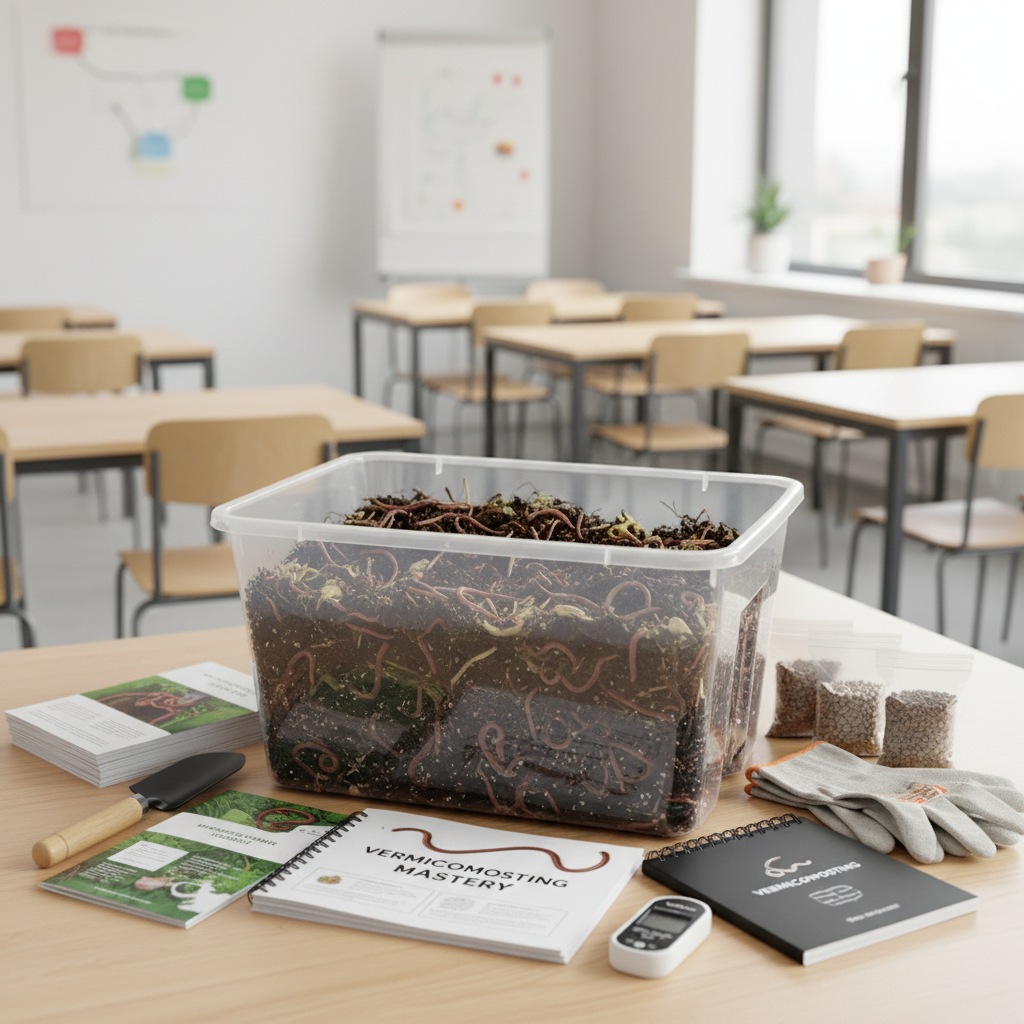
The Full Harvest — Vermicomposting Workshop + Full Kit + Zoom Support
Share

Sustainable Gardening
Discover how worm farming transforms your organic waste into premium soil amendment while reducing your environmental footprint.
Vermicomposting harnesses the natural power of red wiggler worms to break down kitchen scraps into nutrient-dense castings—often called "black gold" by gardeners. This simple, odorless system works year-round, even in small spaces like apartments or balconies.
Key Benefits:
- Diverts 30% of household waste from landfills
- Produces fertilizer 5x richer than traditional compost
- Requires minimal space and maintenance
- Improves soil structure, water retention, and plant health
Getting Started: A basic worm bin needs just three elements: a ventilated container, bedding material (shredded newspaper or cardboard), and composting worms. Feed them fruit and vegetable scraps weekly, and harvest finished castings every 3-4 months.
Ready to build your sustainable garden ecosystem? Explore our complete worm farming systems designed for beginners and experts alike.
Cost-Effective Solutions
Understanding the economics of home composting helps you make informed decisions for your garden and budget.
Many gardeners assume composting requires expensive equipment or ongoing costs. The reality? Most composting methods pay for themselves within the first year through reduced waste disposal fees and eliminated fertilizer purchases.
Hidden Savings:
Beyond the initial investment, home composting reduces garbage collection costs (saving $5-15 monthly in many areas), eliminates bagged fertilizer purchases ($50-150 annually), and decreases water usage through improved soil moisture retention.
Budget-Friendly Start: Begin with a simple DIY bin made from repurposed materials. Many successful composters use modified storage containers, wooden pallets, or even designated pile areas—proving that effective composting doesn't require specialty equipment.
The most cost-effective solution matches your waste stream, available space, and time commitment.
Expert Support
Even experienced gardeners encounter composting challenges. Knowing where to find reliable guidance ensures your system thrives year-round.
Composting is a biological process, and like any living system, it occasionally needs troubleshooting. Understanding available resources helps you solve problems quickly and avoid common pitfalls that discourage beginners.
Common Challenges & Solutions:
Odor Issues: Usually indicate excess moisture or incorrect carbon-to-nitrogen ratios. Add dry brown materials (leaves, cardboard) and improve aeration. Most odor problems resolve within 48 hours with proper adjustment.
Pest Management: Fruit flies and other visitors signal exposed food scraps. Bury kitchen waste under 4-6 inches of bedding material and maintain proper moisture levels.
Slow Decomposition: Temperature, particle size, and moisture all affect breakdown speed. Chopping materials smaller and monitoring moisture (should feel like a wrung-out sponge) accelerates the process.
Get guidance from our vermiculture experts. We provide comprehensive resources for successful worm farming and organic soil amendment production.
Join Our Gardening Community
Get expert tips on vermicomposting, worm farming, and organic gardening delivered to your inbox. Learn how to maximize your worm castings and sustainable gardening practices.
Featured Product Categories
-
Worm Farms
Shop Worm Farm KitsComplete worm farming systems designed for composting worms and red wigglers. Perfect for vermicomposting at home or in the garden.
-
Live Composting Worms
Shop WormsPremium red wigglers and composting worms for your vermiculture setup. High-quality worms for efficient worm composting.
-
Worm Castings & Soil
Shop CastingsNutrient-rich worm castings and organic soil amendments. The perfect organic fertilizer for sustainable gardening.
Wired Worm Farm
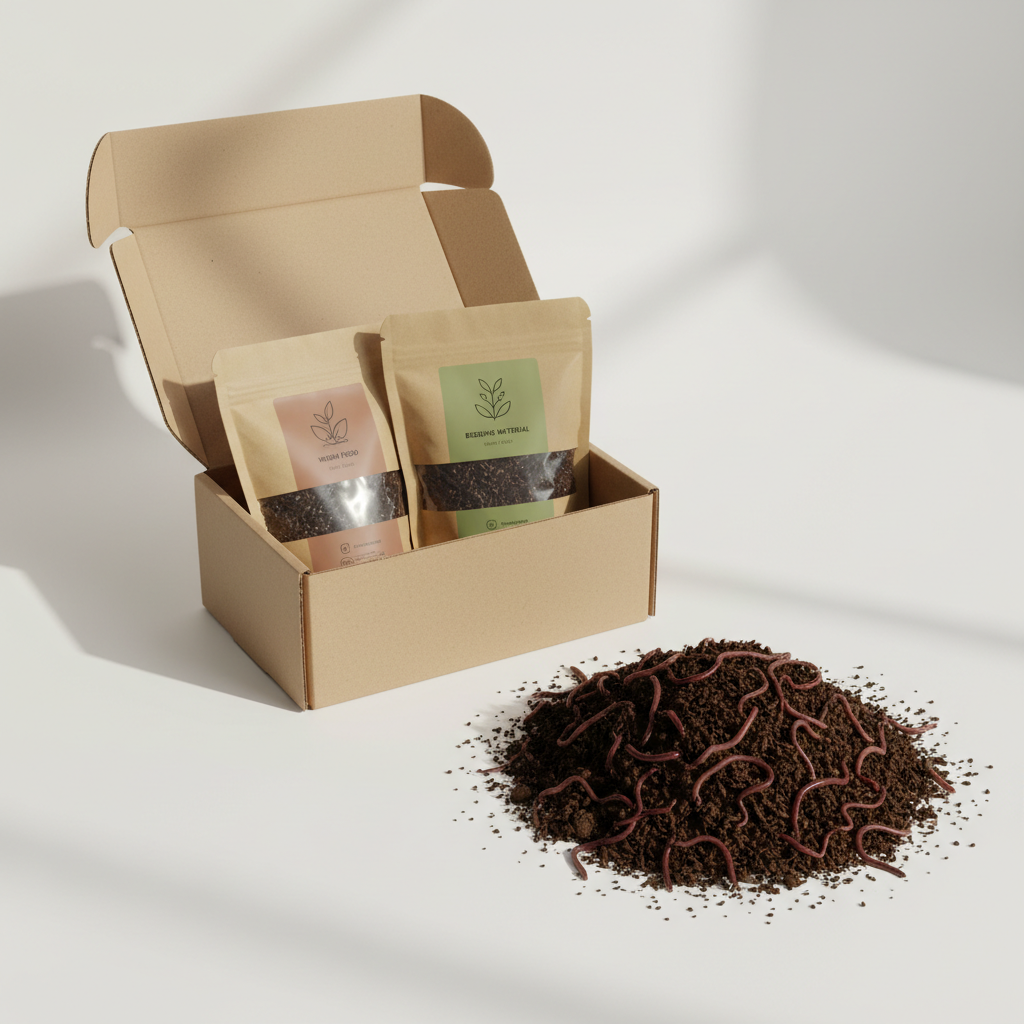
Bin Maintenance Box — The Best Bedding For Your Worm Bin
Share

Premium Vermicomposting Solutions
Sustainable Worm Farming for Organic Gardening